



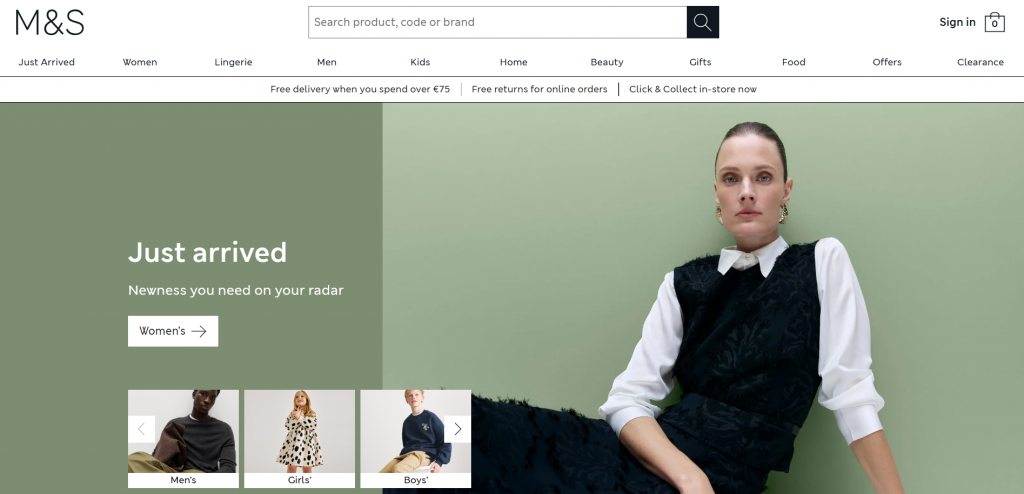
Marks and Spencer is advancing its product range in early 2026 with a coordinated strategy focused on seasonal innovation, everyday value expansion, and international food distribution. The British retailer has introduced a refreshed Easter confectionery collection while simultaneously expanding its value-led grocery assortment to address shifting consumer spending patterns. These initiatives form part of Marks and Spencer’s broader commercial roadmap aimed at strengthening its food business through targeted product development, competitive pricing structures, and enhanced accessibility across domestic and overseas markets. By combining seasonal limited editions with permanent range extensions, Marks and Spencer continues to position its food category as a central growth engine within its overall retail portfolio, reinforcing its presence in both premium and everyday segments of the market.
Marks and Spencer Introduces New Easter Chocolate Range
Marks and Spencer has unveiled a newly developed Easter chocolate range for 2026 that incorporates distinctive flavours, novel textures, and visually differentiated designs intended to capture seasonal demand. The collection includes reimagined filled chocolates, character-based confectionery, and limited-edition seasonal packs structured for both individual purchase and gifting. By integrating layered marshmallow centres, textured coatings, and themed packaging formats, Marks and Spencer is reinforcing its approach of combining product creativity with strong visual merchandising during key retail periods. The Easter assortment has been distributed across physical food halls and digital grocery channels, enabling wider consumer access during the high-traffic spring trading window. Seasonal rollouts such as this remain a structured component of Marks and Spencer’s annual promotional calendar, designed to stimulate incremental footfall and drive category-specific engagement during peak holiday cycles.
Marks and Spencer Expands Value Food Products to Compete With Major Supermarkets
Marks and Spencer has expanded its value-focused food range with the introduction of more than 30 additional grocery lines positioned at competitive price points. The expanded assortment includes cupboard staples, larger-format packs, and frequently purchased household essentials structured to meet evolving consumer budgeting preferences. This development reflects Marks and Spencer’s response to broader economic conditions influencing purchasing decisions across the UK grocery sector. By introducing clearly tiered own-brand pricing alongside its established premium food offering, Marks and Spencer is diversifying its consumer reach while maintaining brand consistency. The value range has been incorporated into both in-store displays and online search filters to improve visibility and navigation. This dual-format rollout demonstrates how Marks and Spencer is aligning pricing architecture, merchandising strategy, and supply chain adjustments to strengthen its position within a highly competitive supermarket environment.
Marks and Spencer Strengthens Food Innovation With Nutrient-Dense Range

Marks and Spencer has also launched a Nutrient-Dense food collection designed to address commonly identified dietary gaps through ingredient-focused formulation. Developed in consultation with nutrition professionals and culinary development teams, the range features products formulated to provide elevated levels of fibre, vitamins, and minerals without altering everyday consumption patterns. The assortment spans ready meals, fresh salads, snacks, and breakfast items, each developed to integrate functional nutrition into mainstream grocery purchases. Packaging for the Nutrient-Dense collection includes clearly labelled nutritional information to assist informed purchasing decisions. Through this introduction, Marks and Spencer is strengthening its innovation pipeline by aligning product development with public health awareness and evolving dietary expectations. The initiative also reflects the retailer’s continued investment in category differentiation, where nutritional positioning serves as a structural feature within its broader food merchandising strategy.
Marks and Spencer Food Brand Extends Presence in Australia
Marks and Spencer has expanded its international food footprint by introducing a curated selection of its branded grocery products into Coles supermarkets across Australia. This move marks the first time Marks and Spencer food lines have been made available in physical retail outlets within the Australian market. The launch assortment includes confectionery items, packaged bakery goods, and signature branded products recognised within the UK market. By partnering with an established national retailer, Marks and Spencer is utilising a distribution-led model to enter and test overseas demand without standalone store investment. The Australian rollout builds upon previous international distribution strategies and reflects Marks and Spencer’s measured approach to global brand expansion. Through structured international supply agreements, the company is increasing product accessibility while maintaining operational oversight of brand presentation and quality standards.
Marks and Spencer Invests in Bakery Partnerships for Gluten-Free Offerings
Marks and Spencer has strengthened its bakery category through collaboration with long-term manufacturing partner Park Cakes to develop a gluten-free edition of its Colin the Caterpillar cake. The product has been distributed across more than 400 stores, supported by dedicated production lines designed to meet gluten-free certification requirements. This initiative demonstrates Marks and Spencer’s response to increasing demand for specialised dietary products within mainstream retail environments. By extending an established branded cake format into a gluten-free variant, Marks and Spencer is leveraging brand familiarity while expanding accessibility for customers with specific dietary preferences. Investment in controlled manufacturing processes and ingredient sourcing has enabled the retailer to broaden its bakery portfolio without altering core product identity. The gluten-free launch forms part of a wider strategy to diversify bakery offerings while maintaining consistent product standards across formats.
Marks and Spencer Advances Food Store Renewal and International Leadership

Beyond individual product launches, Marks and Spencer continues to advance store renewal projects and leadership restructuring designed to support sustained food category growth. The retailer has implemented food hall refurbishments, updated layout concepts, and integrated digital signage systems to streamline navigation and highlight new product introductions. These infrastructure updates are complemented by strengthened international leadership appointments aimed at coordinating overseas distribution and franchise operations. Marks and Spencer’s store renewal strategy focuses on improving operational efficiency while creating dedicated zones for seasonal and value-led merchandise. By aligning physical retail design with product category expansion, Marks and Spencer is reinforcing its multi-channel retail model. These developments collectively indicate a structured approach to scaling food operations while maintaining brand consistency across domestic and international markets.
Marks and Spencer Aligns Marketing Campaigns With Product-Led Growth
Marks and Spencer has supported its 2026 product developments with coordinated marketing campaigns structured around seasonal launches, value messaging, and targeted category promotions. Digital advertising, loyalty programme engagement, and in-store visual merchandising have been aligned to highlight new product introductions across food and related categories. Campaign strategies emphasise accessibility, range expansion, and structured price tiers, reflecting Marks and Spencer’s broader effort to appeal to both existing and new customer segments. Marketing materials for seasonal confectionery, nutrient-focused ranges, and value staples have been distributed across social platforms and owned media channels to increase product visibility. Through synchronised promotional planning, Marks and Spencer is integrating product innovation with brand communication frameworks, reinforcing awareness of its evolving assortment while sustaining engagement across multiple retail touchpoints.