



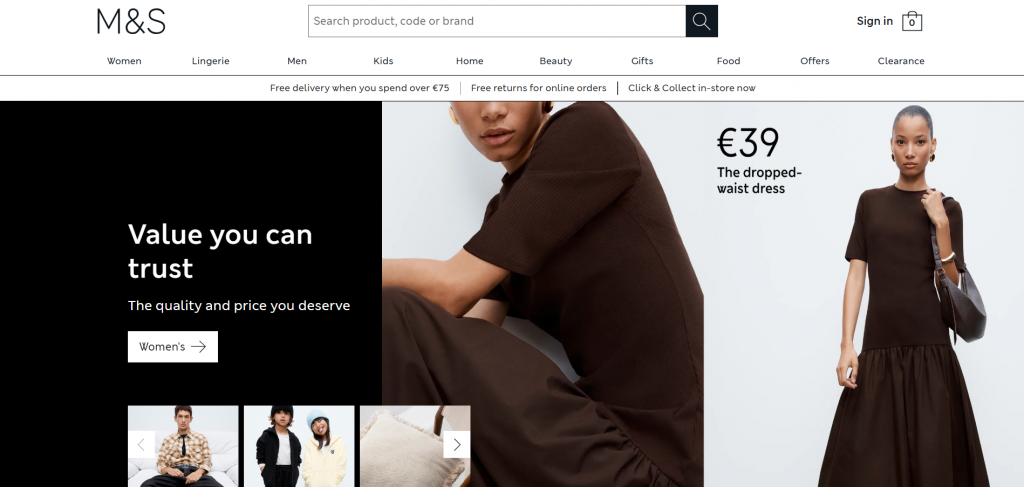
In a world where fashion trends come and go faster than the seasons, one brand is stepping up to redefine what it means to be stylish in a sustainable way. Enter Marks and Spencer—an iconic name that has seamlessly blended chic design with environmental responsibility. As consumers increasingly demand transparency and accountability from their favorite brands, M&S is not just keeping pace but leading the charge towards eco-friendly fashion. Join us as we explore how this retail giant is reimagining its collections, championing ethical practices, and proving that sustainability can indeed be synonymous with style. Get ready to dive into the world of Sustainable Style!
Marks and Spencer’s commitment to sustainability
Marks and Spencer has long recognized the pressing need for sustainable fashion. Their commitment goes beyond mere marketing; it’s embedded in their core values. Through innovative practices, they strive to minimize environmental impact while delivering quality products. The company aims to create a positive change not just within its operations but across the entire industry. Transparency is key to their approach. Marks and Spencer openly shares their sustainability goals with customers, making them part of the journey towards eco-friendliness. They actively invest in research and development, exploring new materials that are both stylish and sustainable. This forward-thinking mindset sets a strong example for others in the fashion sector. Moreover, Marks and Spencer engages with communities worldwide, promoting ethical labor practices alongside environmental stewardship. Their holistic view on sustainability reflects a deep understanding of fashion’s role in a healthier planet.
Sustainable initiatives implemented by Marks and Spencer
Marks and Spencer has taken significant strides in sustainable initiatives that resonate throughout the fashion industry. One of their prominent efforts is the extensive use of organic cotton. This choice not only reduces water consumption but also eliminates harmful pesticides, creating a healthier environment for farmers. Ethical sourcing is another cornerstone of M&S’s sustainability commitment. By partnering with fair trade organizations, they ensure workers receive fair wages and safe working conditions. This practice enhances social responsibility while promoting ethical practices across the supply chain. Additionally, Marks and Spencer actively promotes recycling programs aimed at reducing textile waste. Customers can return unwanted clothing to stores, where it will be repurposed or recycled into new products. These initiatives collectively strengthen their position as a leader in eco-friendly fashion while inspiring others to follow suit in creating a more sustainable world.
Use of organic cotton

Marks and Spencer is making waves in the fashion world with its commitment to using organic cotton. This material not only feels soft against the skin but also supports sustainable farming practices. Organic cotton is grown without harmful pesticides or synthetic fertilizers, which safeguards both ecosystems and farmers’ health. It’s a win-win for everyone involved. By sourcing organic cotton, Marks and Spencer ensures that their garments are produced responsibly. They invest in methods that promote biodiversity while reducing water usage significantly during cultivation. Consumers can wear their favorite styles knowing they’re contributing to a healthier planet. The shift towards organic fabrics reflects an increasing demand for transparency in fashion—something Marks and Spencer embraces wholeheartedly. This dedication sets a positive example within the industry, encouraging others to rethink their textile choices as well.
Ethical sourcing and fair trade practices
Marks and Spencer understands that ethical sourcing is a cornerstone of sustainable fashion. This approach ensures that every piece crafted respects both people and the planet. By partnering with suppliers who uphold fair labor practices, they create a positive impact on communities around the globe. They prioritize transparency in their supply chain. Marks and Spencer actively works to ensure that workers receive fair wages and work in safe conditions. This commitment extends beyond just clothing; it touches everything from raw materials to finished products. Fair trade certifications play a crucial role in their sourcing strategy. These labels guarantee that farmers and artisans are compensated fairly for their hard work, promoting economic stability in developing regions. Through these initiatives, Marks and Spencer not only elevates brands but also empowers individuals within the industry. Their dedication sets an example for others to follow, proving that style can indeed go hand-in-hand with ethics.
Collaborations with eco-friendly brands and designers
Marks and Spencer has embraced partnerships with eco-friendly brands and designers to amplify its sustainability message. These collaborations introduce innovative materials and techniques, showcasing what’s possible in the realm of conscious fashion. One standout partnership is with sustainable textile innovators who focus on upcycling waste into stylish clothing. This not only reduces environmental impact but also highlights creativity within limitations. M&S has also aligned with local artisans, providing a platform for unique pieces that prioritize craftsmanship over mass production. Such collaborations enhance the authenticity of their collections while supporting ethical practices. These efforts create a ripple effect in the industry, encouraging other brands to consider sustainability as a core value rather than an afterthought. By working together, Marks and Spencer champions both style and responsibility, proving that eco-conscious choices can be fashionable too.
Impact on the fashion industry and consumer behavior

Marks and Spencer’s commitment to sustainability is reshaping the fashion landscape. Their initiatives push boundaries, influencing other brands to rethink their practices. Consumers are becoming more conscious of their purchasing decisions. They seek transparency and ethical production methods. Marks and Spencer’s efforts resonate with this shift, encouraging shoppers to prioritize eco-friendly choices. The company sets a benchmark in responsible sourcing and manufacturing processes. This leadership inspires competitors to adopt similar strategies, fostering a collective movement towards sustainable fashion. Social media amplifies this change as customers share their values online. Eco-conscious influencers highlight M&S’s endeavors, making sustainability an aspirational trend that captivates audiences far beyond traditional marketing channels. As consumers align themselves with brands that reflect their ethics, the pressure mounts on others in the industry. Marks and Spencer demonstrates how integrating sustainability can lead not just to profit but also positive societal impact.
Future plans for sustainability at Marks and Spencer
Marks and Spencer is not resting on its laurels when it comes to sustainability. The company has ambitious plans for the future, aiming to further reduce its carbon footprint. One exciting initiative includes increasing the use of renewable energy in their stores and supply chains. This move will significantly lower emissions while setting a standard for others in the industry. M&S also plans to expand its range of sustainable materials beyond organic cotton. They are exploring innovative fabrics made from recycled plastics and other eco-friendly sources. Community engagement plays a big role too. Marks and Spencer aims to educate consumers about sustainable choices through workshops and campaigns that promote mindful shopping habits. Investments in technology are part of their vision as well. By utilizing data analytics, they hope to streamline production processes, minimizing waste at every stage from design to delivery.