



Marks and Spencer has unveiled a series of strategic developments for 2026 that span supply chain modernisation, store growth plans, range extensions and targeted product introductions. The British retail group confirmed new investments in major logistics infrastructure and detailed plans to expand its food store footprint across the UK and internationally. Alongside this physical and operational infrastructure growth, Marks and Spencer is introducing value-focused and nutrient-driven product lines designed to meet shifting consumer demand amid broader economic pressures. These developments underline the company’s multi-pronged approach to strengthening food category operations, enhancing accessibility for customers, and supporting continued growth across key regions and market segments. By modernising supply capabilities and rolling out new store formats, the brand aims to improve product availability, streamline distribution, and support its ambition to become a destination for weekly shopping while remaining responsive to evolving consumer priorities.
Marks and Spencer Expands Value Product Range to Address Cost Pressures
Marks and Spencer is expanding its food product range with more than 30 new value-focused items as part of a strategic effort to compete with established UK supermarkets and attract cost-conscious shoppers. These additions include larger pack sizes of core staples such as beef mince and frozen vegetables, which will join existing value ranges designed for everyday household needs. By strengthening its value proposition, Marks and Spencer is positioning itself as a broader shopping list destination rather than solely a premium food retailer. This initiative also supports the company’s stated goal of doubling the size of its food business by inviting a wider customer base to engage with its offerings. The expanded value portfolio will be featured across its network of food halls and digital grocery channels, ensuring visibility and accessibility for household buyers across multiple formats.
Marks and Spencer Launches Nutrient-Dense Food Collection to Support Healthy Eating
Marks and Spencer recently introduced a new nutrient-dense food collection designed to help address nutritional shortfalls among UK consumers. Developed in response to data highlighting widespread gaps in dietary fibre and micronutrient intake, the range includes salads, meals, drinks and snacks formulated to boost vitamins, minerals and fibre. Nutritionists and culinary teams collaborated on the product selection to ensure the range could be easily integrated into everyday meal plans. This launch reflects ongoing shifts in consumer eating habits and increased interest in health-oriented foods, including products that align with emerging needs driven by the uptake of weight-management medications in the population. By offering purpose-driven food options, Marks and Spencer aims to broaden the appeal of its food selection while supporting customers’ nutritional goals
Marks and Spencer Invests in Advanced Logistics as Part of Growth Strategy

Marks and Spencer has announced landmark logistical investments including the development of a new 390,000 square foot distribution centre in Bristol and a planned 1.3 million square foot automated food distribution centre in Northamptonshire. These facilities are key elements of the company’s broader “reshape for growth” strategy, which seeks to modernise its supply chain and support expanding store operations. The Bristol depot is intended to enhance distribution capacity for stores in the Midlands, South-West England and South Wales, while the larger automated hub will incorporate advanced technology to improve handling efficiency, increase product availability and reduce long-term distribution costs. The overall investment in logistics infrastructure is expected to create new roles and operational capabilities that support Marks and Spencer’s ambition to grow its food business sustainably while providing consistent product flow across its national network.
Marks and Spencer Accelerates Store Openings and Refurbishment Programmes
Marks and Spencer has outlined plans to accelerate the opening and refurbishment of food stores across the UK, including converting former Homebase sites into larger standalone food halls and identifying hundreds of potential locations for future expansion. The retailer’s programme aims to create bigger and more productive food stores, many featuring extended aisles, expanded bakery sections and Click & Collect facilities for multi-category orders. Several stores in Abingdon, Cannock, Farnham, Godalming and Northampton are scheduled to open between late 2025 and mid-2026 as part of this initiative. At the same time, Marks and Spencer has published a “wish list” of almost 200 London locations for future food hall development, reflecting its ambition to broaden accessibility in metropolitan markets. These growth plans support the retailer’s objective of delivering an enhanced shopping experience while driving footfall through modernised formats and improved store layouts.
Marks and Spencer Extends International Footprint With Overseas Food Distribution
Marks and Spencer continues to build its international presence through strategic distribution partnerships, including a significant roll-out of its food products into Coles supermarkets across Australia. This marks the first time M&S food lines have been sold in physical retail outlets in the country, broadening consumer access beyond the UK for a selection of popular items. The Australian launch follows previous success with M&S food products in the United States market, where sales volumes for key confectionery lines have been reported at high weekly levels. By leveraging established retail partnerships, Marks and Spencer is expanding its global footprint and increasing brand exposure internationally while diversifying its revenue streams.
Marks and Spencer Modernises Store Portfolios With Strategic Transformations
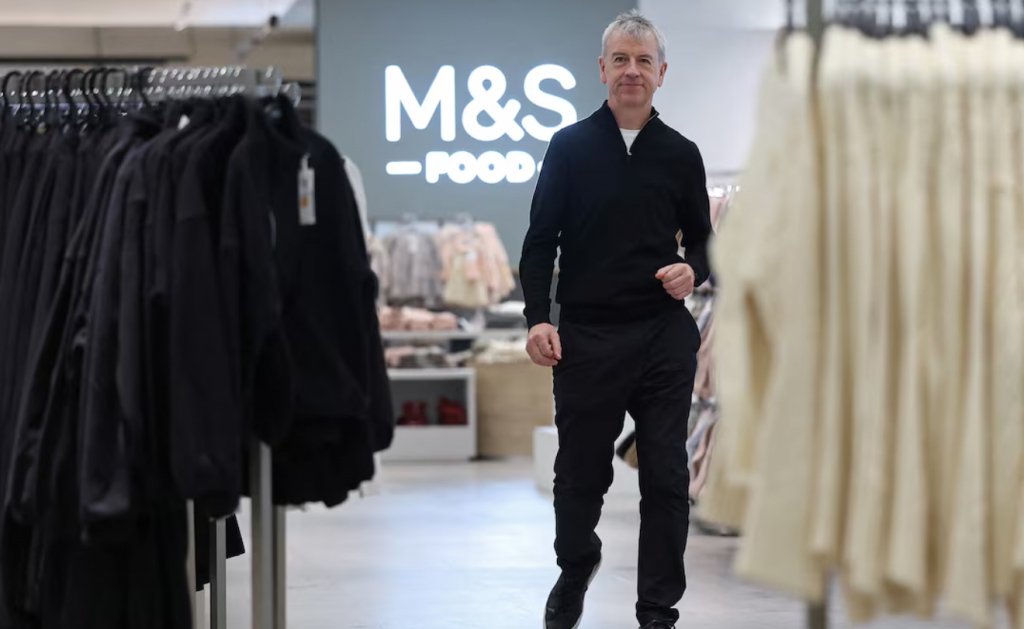
Marks and Spencer has been undertaking targeted store transformations and modernisation projects in several locations, including expanded food halls, updated in-store bakery offerings and refreshed layouts designed to enhance the customer experience. One such programme is underway at its Douglas food hall, where extended bakery sections, expanded frozen aisles and new hot meal counters are being introduced. These upgrades prioritise seamless navigation and broader product selection to meet shopper needs. The modernised stores also feature enhanced customer amenities and recruitment initiatives to support operations. By integrating refreshed design elements and expanded merchandise space, Marks and Spencer aims to strengthen its competitive position and deliver a more engaging shopping environment for its diverse customer base.
Marks and Spencer Responds to Retail Security Challenges With Protective Measures
In response to rising incidents of shoplifting and attacks on retail staff, Marks and Spencer is rolling out body-worn cameras for employees at high-traffic locations such as town centres, transport hubs and regional outlets. These measures are part of a broader retail security initiative aimed at enhancing workplace safety and deterring theft. The cameras are being deployed alongside existing surveillance systems to provide real-time documentation and support staff protection efforts. Marks and Spencer’s adoption of these protective tools reflects industry-wide concerns about retail crime and the need for effective solutions to safeguard employees and assets amid challenging conditions for physical storefront operations.